
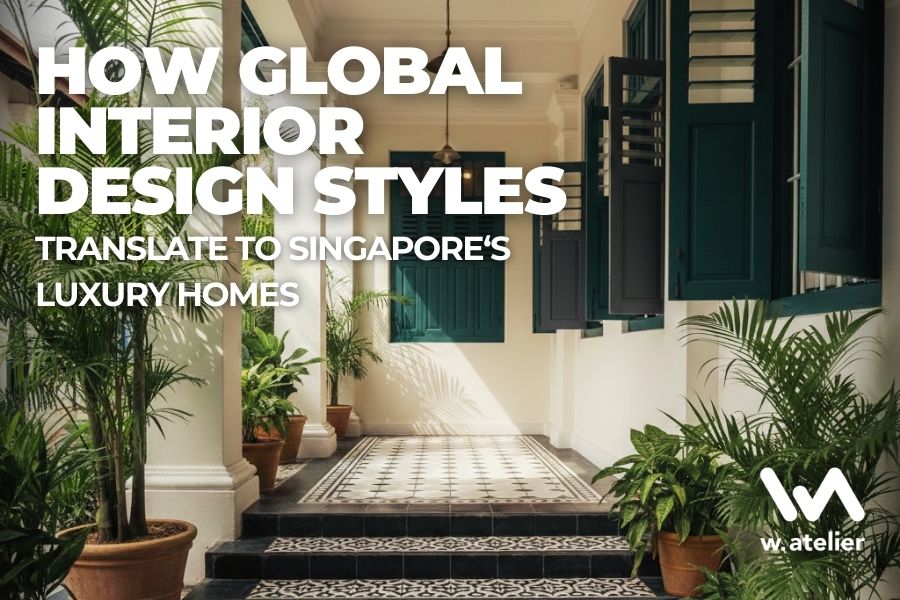
Interior design trends travel easily across borders. A home in Copenhagen, Tokyo, London, or New York can inspire homeowners thousands of kilometres away. Yet while images circulate freely, homes do not exist in a vacuum. Climate, architecture, lifestyle, and spatial constraints shape how a design style actually performs once lived in.
In Singapore, this reality is especially pronounced. Compact floor plans, high humidity, abundant daylight, and dense urban living mean that successful interiors are rarely direct replicas of global styles. Instead, they are thoughtful reinterpretations — designs that respect both aesthetic intent and local conditions.
In this article, we explore several global interior design styles and examine how each can be adapted for Singapore homes. Rather than asking whether a style “works” or “doesn’t work”, the more meaningful question is: how can it be translated well?
Key Takeaways
- Global interior design styles require adaptation, not imitation, to succeed in Singapore homes.
- Climate, compact layouts, and strong daylight play a defining role in local interior design outcomes.
- Successful Singapore interiors prioritise:
- Material intelligence that performs well in humidity and heat
- Visual lightness that enhances space and reduces visual fatigue
- Functional layouts that support daily routines and storage needs
- Breathable, durable finishes suited to tropical living
- Emotional comfort over strict stylistic accuracy
- Styles such as Japandi, Scandinavian, Mid-Century Modern, Brutalist, Victorian, and Contemporary can all work — when translated thoughtfully.
- The most enduring interiors balance aesthetic intent with everyday comfort, creating homes that feel considered rather than performative.
Designing with Context: What Singapore Homes Require
Before looking at individual styles, it’s worth understanding the shared realities that shape interior design locally.
Most Singapore homes — whether HDB flats or condominiums — contend with:
- Limited floor area, where efficiency matters
- High humidity, which affects material choice
- Strong natural light, which influences colour and finishes
- Lifestyle density, where storage, flexibility, and durability are essential
Designers working in this context often prioritise:
- Breathable, moisture-resistant materials
- Built-in storage to reduce visual clutter
- Lighter palettes that enhance spatial perception
- Finishes that age gracefully in a tropical climate
With these considerations in mind, let’s explore how different interior design styles are adapted for Singapore living.
Japandi: Calm, Functional, and Naturally Suited to Urban Living
Japandi combines Japanese restraint with Scandinavian warmth. At its core, the style values simplicity, craftsmanship, and intentional living — qualities that resonate strongly in compact urban homes.
Why Japandi is popular in Singapore
Japandi interiors feel calm without being cold, minimal without feeling bare. Its emphasis on uncluttered spaces and functional layouts makes it particularly attractive for apartments where every square metre matters.
How Japandi is adapted locally
In Singapore homes, Japandi is often expressed through:
- Warm neutral palettes that reflect natural light
- Built-in carpentry that hides storage while maintaining clean lines
- Moisture-resistant wood laminates rather than untreated timber
- Breathable fabrics such as linen blends instead of heavy textiles
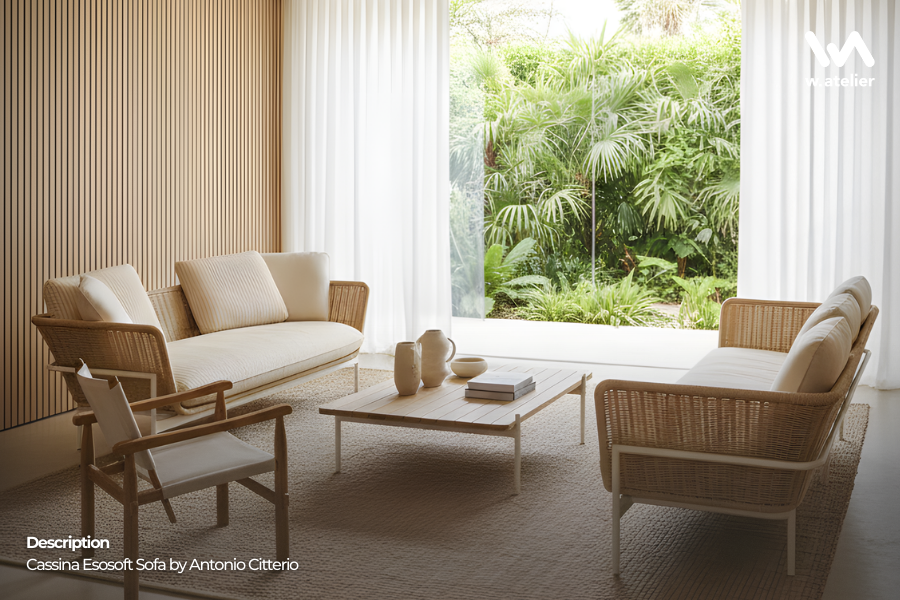
To complement this aesthetic, consider a statement lounge piece like the Cassina Esosoft Sofa placed in the living room to anchor the seating area with both comfort and sculptural presence.
Rather than striving for austerity, local interpretations lean towards soft minimalism — spaces that feel grounded, comfortable, and quietly refined.
Scandinavian: Light, Liveable, and Enduringly Popular
Scandinavian design has long been a staple in Singapore interiors. Rooted in functionality and comfort, the style emphasises light tones, natural materials, and a lived-in warmth.
Why Scandinavian works so well locally
Bright interiors visually expand smaller spaces, while simple forms and flexible furniture suit modern lifestyles. Scandinavian design also transitions easily between family-friendly and design-led homes.
How Scandinavian design is adapted in Singapore
While Scandinavian interiors in Nordic countries often rely on heavy textiles for warmth, local versions make key adjustments:
- Lighter upholstery and breathable materials replace thick woollen fabrics
- White walls are balanced with warm neutrals to avoid glare
- Natural wood is paired with practical laminates for durability
- Cross-ventilation and airflow are prioritised over layered insulation
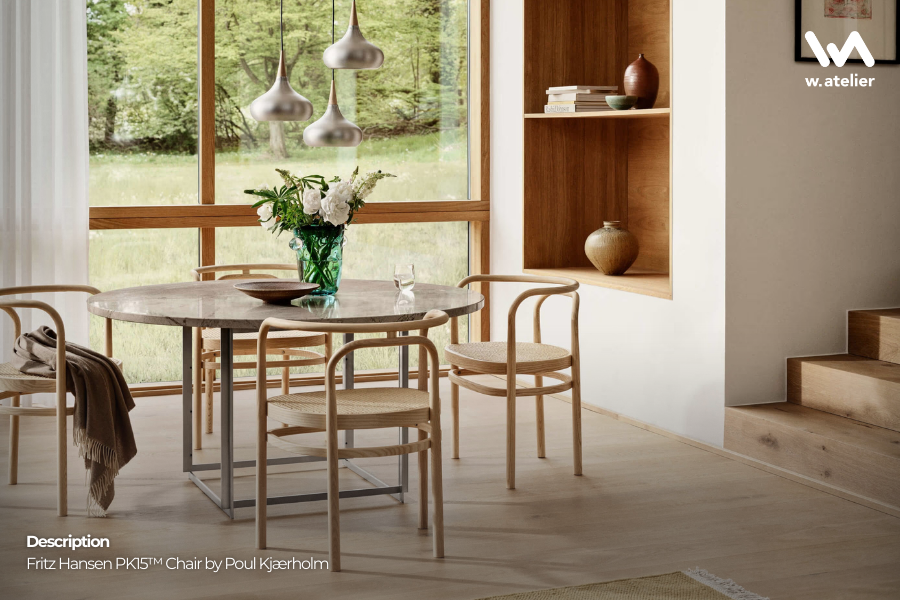
A timeless accent here is the Fritz Hansen PK15™ Chair, ideal as a reading nook perch or a dining seat that brings sculptural elegance without visual weight.
The result is a style that feels fresh, practical, and timeless, without being overly thematic.
Mid-Century Modern: Character Without Excess
Mid-century modern design emerged in the mid-20th century, defined by clean lines, organic forms, and a balance between function and expression. Its enduring appeal lies in its ability to feel distinctive without overwhelming a space.
Why Mid-Century Modern appeals to Singapore homeowners
The style introduces warmth and personality through form rather than ornamentation. It works particularly well in open-plan layouts, where furniture can define zones without visual heaviness.
Adapting Mid-Century Modern for local homes
Successful adaptations often involve:
- Selecting scaled-down furniture to suit compact rooms
- Using veneer or engineered wood finishes that handle humidity better
- Mixing mid-century silhouettes with contemporary lighting and storage
- Avoiding overly dark palettes that can visually shrink spaces
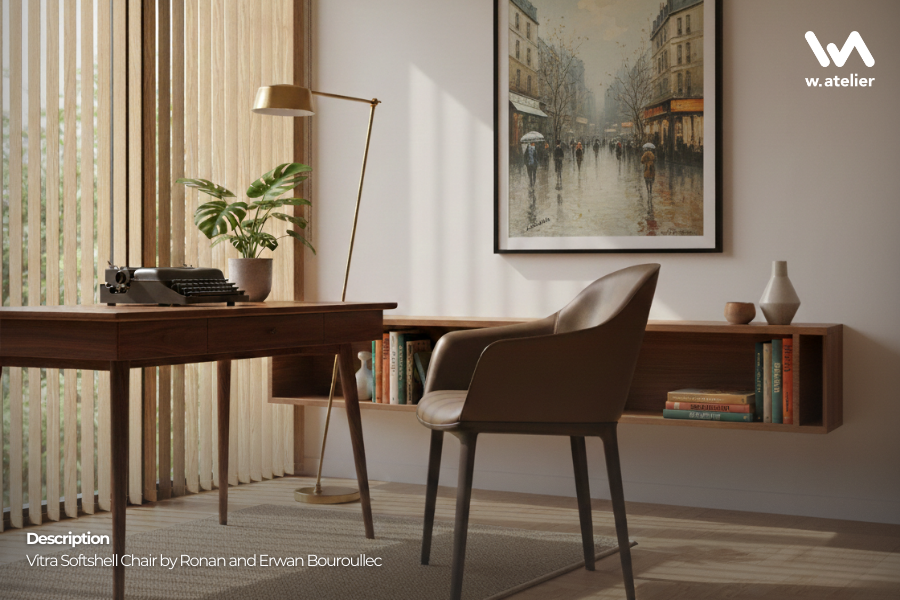
To bring this style into daily living, the Vitra Softshell Chair works beautifully in the dining area or even home office or study corner, balancing modern engineering with classic mid-century appeal.
When handled thoughtfully, mid-century modern interiors feel curated and timeless — expressive, yet highly liveable.
Brutalist: Raw Aesthetics, Softened for Everyday Living
Brutalist design is often misunderstood. Originating as an architectural movement, it celebrates material honesty, bold forms, and structural clarity. In interiors, this translates to concrete, minimal ornamentation, and strong geometry.
Why Brutalist interiors are gaining traction in Singapore
Singapore’s urban landscape already features exposed concrete and modernist architecture, making Brutalist aesthetics feel contextually relevant. The style also aligns with contemporary minimalism and appeals to homeowners seeking a strong architectural identity.
Adapting Brutalism for Singapore homes
Pure Brutalism can feel cold and uninviting if applied without restraint. Local adaptations focus on balance:
- Microcement and concrete-look finishes instead of raw concrete
- Limiting Brutalist elements to feature walls or ceilings
- Introducing warm wood, soft furnishings, and textured textiles
- Using warm lighting temperatures to counteract visual hardness
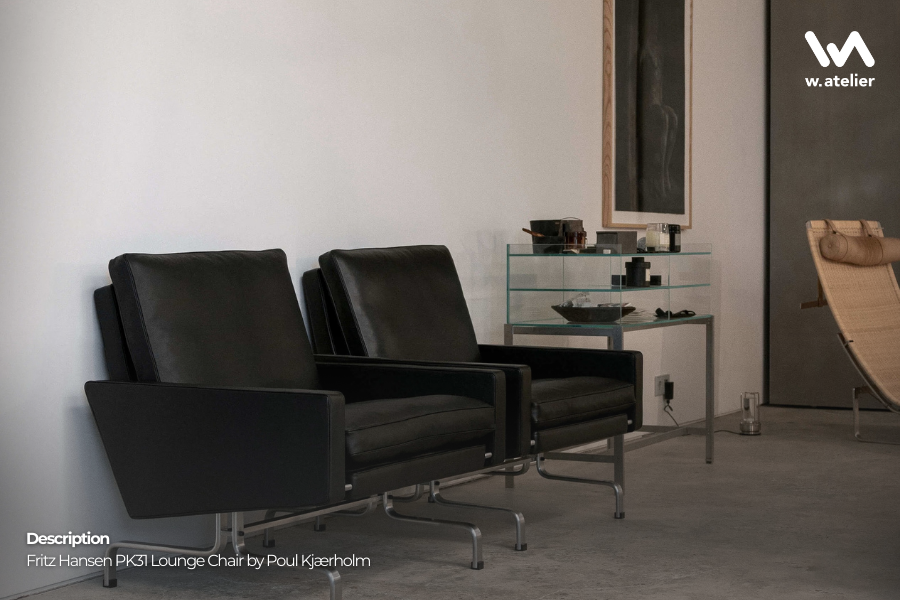
In living areas tempered with Brutalist texture, a piece like the Fritz Hansen PK31 Lounge Chair can offer a bold yet refined anchor that bridges structural honesty and everyday comfort.
This approach, often described as soft Brutalism, preserves the architectural integrity of the style while ensuring comfort and warmth.
Victorian: Heritage Elegance, Reimagined
Victorian interiors are known for their ornate detailing, layered textures, and sense of grandeur. While rarely applied wholesale in Singapore homes, the style continues to inspire homeowners drawn to elegance and narrative.
Why Victorian design still resonates
Victorian interiors evoke craftsmanship and timeless luxury. In an era of fast trends, they offer a sense of permanence and character that many homeowners find appealing.
How Victorian style is adapted locally
Rather than replicating traditional Victorian interiors, designers reinterpret key elements:
- Simplified wall mouldings instead of heavy ornamentation
- Lighter, warmer colour palettes suited to tropical light
- Brass accents and statement lighting used sparingly
- Pairing classical details with modern furniture and layouts
In Singapore, Victorian design is most successful when applied selectively — in bedrooms, studies, or feature walls — where it adds depth without overwhelming the space.
Contemporary: The Flexible Foundation
Unlike historically rooted styles, contemporary design evolves continuously. It reflects current lifestyles, technologies, and sensibilities, making it one of the most adaptable styles for Singapore homes.
Why contemporary interiors are a local staple
Contemporary design prioritises clean lines, neutral palettes, and functionality — qualities well suited to modern urban living. It also serves as an ideal base for layering other styles.
Adapting contemporary design for Singapore
Local interpretations focus on:
- Durable, low-maintenance materials
- Integrated storage and concealed clutter
- Flexible spaces that support work-from-home living
- Neutral backdrops that allow for personal expression
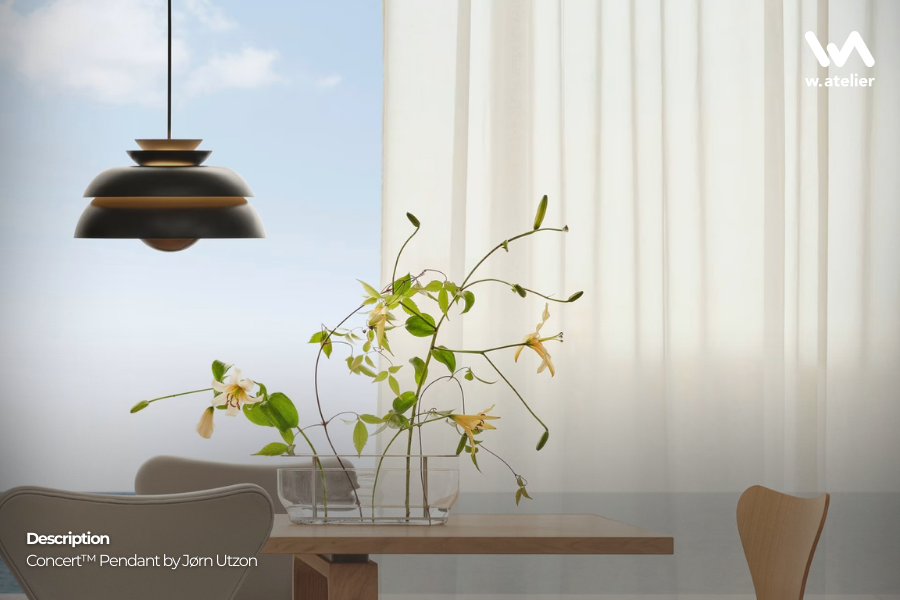
Adding sculptural lighting like a Fritz Hansen Concert™ P3 Pendant Lamp can elevate a minimalist space with purposeful artistry and soft ambience.
Rather than being purely minimalist, contemporary interiors in Singapore often feel quietly luxurious, with attention paid to proportion, materiality, and detailing.
The Case for Thoughtful Hybrid Design
In practice, most Singapore homes are not designed in a single, pure style. Instead, they blend influences to suit real needs and personal tastes.
Common and successful combinations include:
- Contemporary foundations with Japandi warmth
- Scandinavian brightness paired with mid-century character
- Modern spaces accented with Victorian detailing
- Minimalist layouts softened by Brutalist textures
The key lies in restraint and cohesion — allowing one style to lead while others support.
Designing for Singapore: Interpretation Over Imitation
Interior design styles offer inspiration, not prescriptions. When translated thoughtfully, even styles born in vastly different climates and cultures can feel at home in Singapore.
The most successful interiors are those that:
- Respect spatial and climatic realities
- Balance aesthetics with daily comfort
- Reflect the homeowner’s lifestyle and values
At its best, design is not about following trends, but about creating spaces that age well, live beautifully, and feel distinctly personal. In Singapore homes, that means choosing interpretation over imitation — and designing with intention.
Questions We Hear Often:
How long should quality furniture last in Singapore’s climate?
Well-engineered furniture from brands such as Fritz Hansen, Cassina, and Vitra is designed to perform for 15–20 years in tropical conditions. Longevity comes from moisture-resistant finishes, stable materials, and thoughtful construction suited to heat and humidity.
Why is Scandinavian furniture popular in Singapore when the climates are so different?
Scandinavian design values lightness, functionality, and visual calm, qualities that translate naturally to compact urban homes. In Singapore, the style works best when its materials are adapted for humidity rather than replicated exactly.
Should I choose leather or fabric upholstery for Singapore?
Both can work when chosen carefully. Treated full-grain leather from brands like Cassina or Fritz Hansen handles humidity well, while high-performance fabrics offer breathability and durability for everyday living.
How do I mix furniture styles without creating visual chaos?
Balance is key. Following the 60 / 30 / 10 principle allows one style to lead while complementary pieces, including select designs from Vitra, add depth without overwhelming the space.
What makes designer furniture worth the investment in Singapore?
Designer furniture is built for longevity, comfort, and timelessness. Pieces from Cassina, Fritz Hansen, and Vitra often age gracefully and retain value, making them a considered long-term choice rather than a short-term purchase.
Can Brutalist or industrial styles work in luxury Singapore homes?
Yes, when approached with restraint. Softening concrete or industrial elements with warm materials, refined furniture, and tactile finishes allows these styles to feel comfortable and residential.
Experience Thoughtfully Adapted Design at W. Atelier
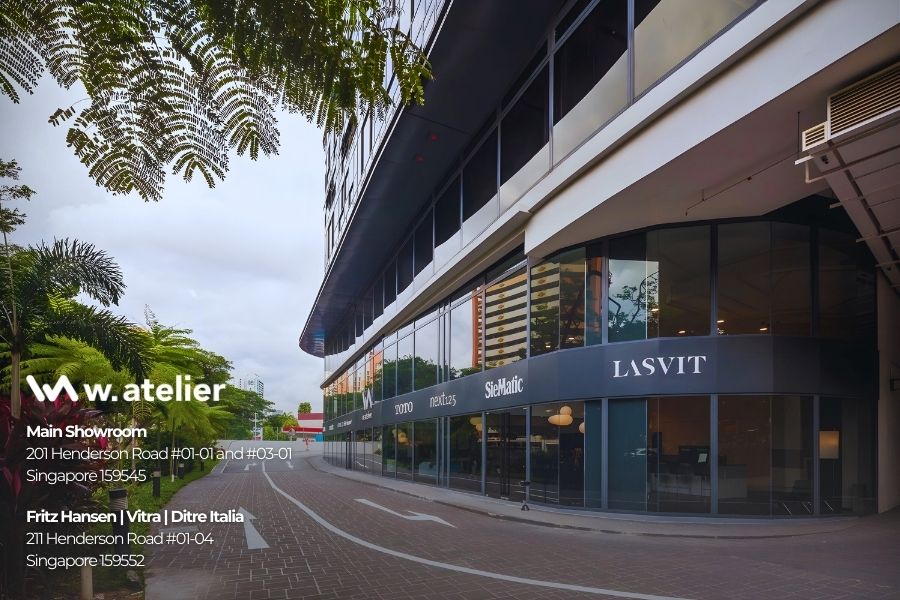
If you would like to experience how global interior design styles are translated for Singapore living, visit the W. Atelier showroom and explore a curated selection of original furniture and lighting from internationally respected design brands.
Each piece at W. Atelier is chosen not simply for how it looks, but for how it lives — how it performs in Singapore’s climate, how it supports daily routines, and how it ages with grace over time. From Scandinavian clarity and Japandi restraint to sculptural modern classics, these are designs created to be lived with, not just admired.
Discover how considered design can make your home not only more beautiful, but more comfortable, balanced, and truly yours.