
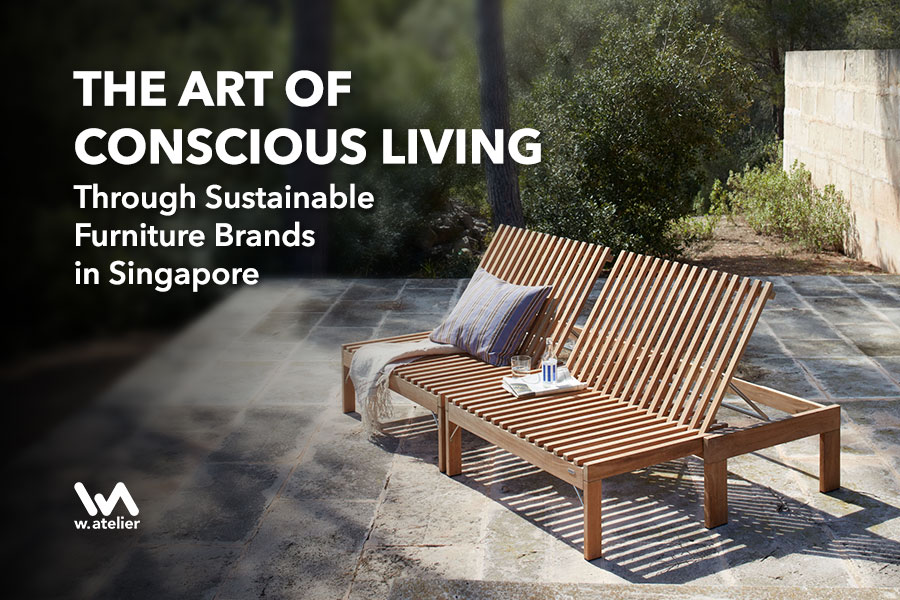
A home is more than just a place to rest, it’s a reflection of your life, of how you choose to live. The pieces you surround yourself with aren’t just functional—that sofa you sink into after a long day, the dining table where you’ve had unhurried conversations with your loved ones, and that bed where you find quiet moments in between everything else—they help make up your everyday life.
Your furniture shapes how your space feels, and how you move through it every day.
In Singapore, where homes are thoughtfully designed around space, comfort, and lifestyle, more people are beginning to ask a different kind of question: not just “does this look good?” but “will this last?”
This shift has brought growing attention to sustainable furniture in Singapore—not as a passing trend, but as a more intentional way of creating a home that feels grounded and enduring. Alongside this, eco-friendly furniture in Singapore is gaining relevance, offering choices that are not only considered in design, but also in how they’re made and how long they stay with you.
Key Takeaways
- Sustainable furniture is made with responsibly sourced materials and thoughtful craftsmanship
- It prioritises durability and longevity, reducing the need for frequent replacement and waste
- It supports healthier homes through low-VOC finishes and considered production methods
- Ultimately, it’s about buying fewer, better pieces that continue to fit your life over time
Why Sustainability Matters in Everyday Living
Most people don’t think about sustainability when they first sit on a sofa or pull out a dining chair. What they notice is simpler than that: comfort, support, ease. Of course, all three matter; these are basically why we have furniture in our homes, but sustainability isn’t just about how recyclable something is—it’s also about longevity.
But over time, these small moments begin to tell a bigger story.
Furniture that wears out too quickly becomes something you think about more than you’d like—loose joints, flattened cushions, scratchy surfaces—and before long, you’re stressing again, shopping for a replacement.
This is where sustainable furniture in Singapore becomes less about environmental labels and more about everyday living. It’s about choosing pieces that quietly do their job, year after year, without demanding constant attention or replacement.
What Makes a Furniture “Sustainable?”
Sustainable furniture refers to pieces designed and made to last, using responsibly sourced materials and thoughtful production methods. Sustainability isn’t always obvious at first glance. It’s often found in the details—the things you don’t immediately see, but rather experience over time.
Materials That Last
There’s a difference you can feel when materials are thoughtfully chosen. Think about that strong, stable wood that doesn’t wobble, fabrics that age gently instead of wearing out, and finishes that don’t just look good, but hold up to daily use.
Many of these pieces can be explored through W. Atelier’s curated collection, where craftsmanship and material integrity are central to each design. You can always check out well-made pieces through our website.
Finishes That Support Everyday Living
In Singapore, where homes are often enclosed and air-conditioned for most of the day, indoor air quality becomes a much more immediate, everyday concern.
In spaces like these, finishes matter more than you might expect. What’s applied to the surface of a table, chair, or cabinet doesn’t just stay there—it subtly interacts with the air around you, especially in environments with limited natural ventilation.
Low-VOC (volatile organic compound) finishes and treatments help reduce the presence of airborne chemicals, contributing to a home that feels lighter, cleaner, and more comfortable to spend time in—whether you notice it immediately or not.
This becomes particularly relevant in everyday situations:
- Living areas, where you spend extended hours relaxing or hosting
- Bedrooms, where air quality affects rest and overall comfort
- Smaller apartments, where airflow is more limited and materials have a greater cumulative effect
It’s a quieter aspect of sustainability, but an important one. Over time, these choices shape how your home feels to live in—not just visually, but physically as well.
Going Beyond Trends
Some furniture pieces are made to keep up with trends. Some, however, are designed to stay, not be replaced by the changing seasons. This is what truly eco-friendly furniture in Singapore is all about: pieces that don’t feel outdated after a few years, and don’t need to be replaced just because your space evolves or trends shift.
Instead, they adapt. They stay relevant. They become part of your home’s story.
The Role of Design in Conscious Living
Good design has a way of simplifying things. It doesn’t demand attention, but it improves how you live.
A well-designed chair supports you without you thinking about it, a table fits naturally into your space without needing adjustment, and a sofa becomes somewhere you return to, again and again, without question.
This is where many European and Scandinavian brands quietly stand out. Their approach to design is often rooted in restraint—clean lines, honest materials, and proportions that feel balanced in any space.
Brands like Skagerak, a Danish brand known for its use of FSC-certified wood and enduring Scandinavian craftsmanship, embody this philosophy. Their pieces are designed not just to look good in a showroom, but to live well in real homes—indoors or outdoors, across changing seasons and routines.
Furniture like this doesn’t compete with your space. It settles into it.
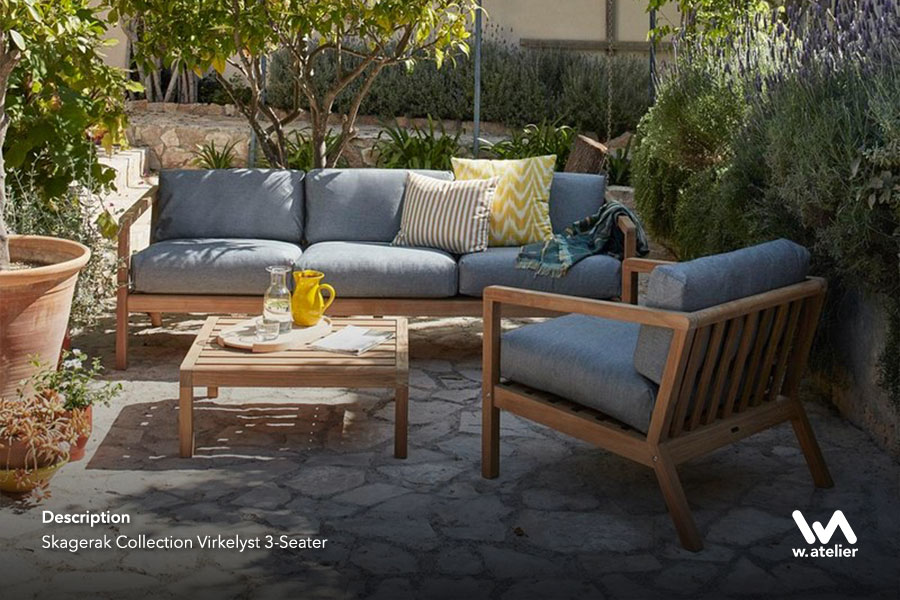
This philosophy extends to pieces like the Virkelyst 3-seater, where the wood develops character over time, allowing the furniture to evolve naturally with its environment.
Living Sustainably, Without Overthinking It
Sustainable living doesn’t have to feel complicated. It’s simply about reducing the need to replace things too often.
When your furniture holds up, you’re not:
- Shopping for replacements every few years
- Adjusting your space to hide wear and tear
- Second-guessing whether something will last
- Worrying whether a furniture breaks while you have visitors
Instead, you settle into your home, confidently and at peace.
This is one of the quieter benefits of investing in sustainable furniture in Singapore—it creates a kind of ease. Your home feels more stable, more consistent, and more reflective of how you actually live.
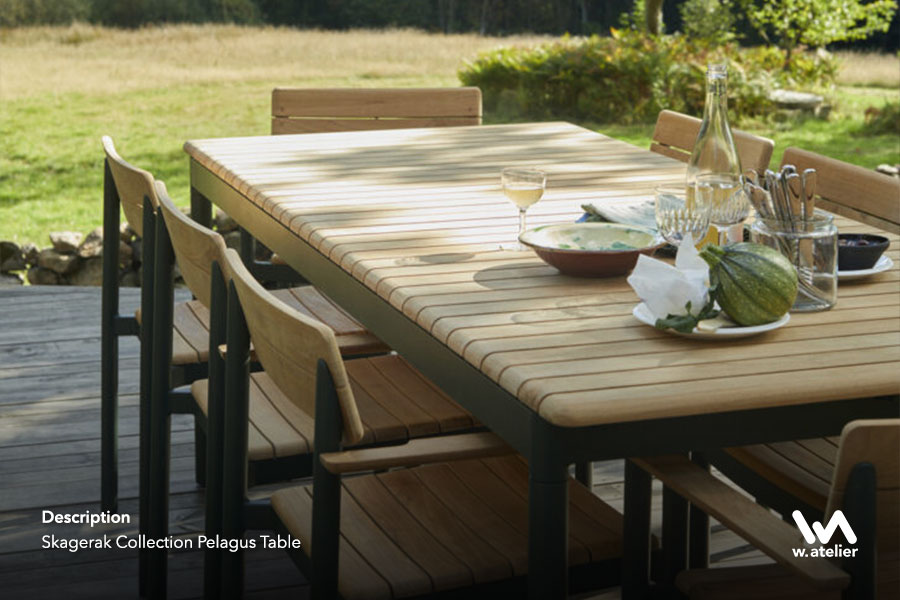
This approach extends to outdoor living as well, with pieces like the Pelagus Outdoor Table, where teak and powder-coated aluminium are thoughtfully combined to withstand the elements while maintaining a sense of understated elegance over time.
Choosing Better: How to Spot Sustainable Furniture Pieces
Selecting sustainable furniture pieces requires careful and considerate decision-making. Here are a few simple considerations you’ll want to keep in mind before making that purchase.
Does It Feel Built to Last?
Sit on it. Touch it. Experience or use it the way you would at home. Quality often reveals itself in how something feels during use.
Will It Still Work Years From Now?
Trends change quickly, but good design doesn’t. Pieces that feel balanced and understated tend to stay relevant longer. Classics are classics for a reason.
Does It Fit Your Lifestyle?
Furniture should support how you live—not the other way around. The more naturally it fits into your routine, the longer it’s likely to stay. After all, the more a furniture piece matches your lifestyle, the more you’re likely to keep it.
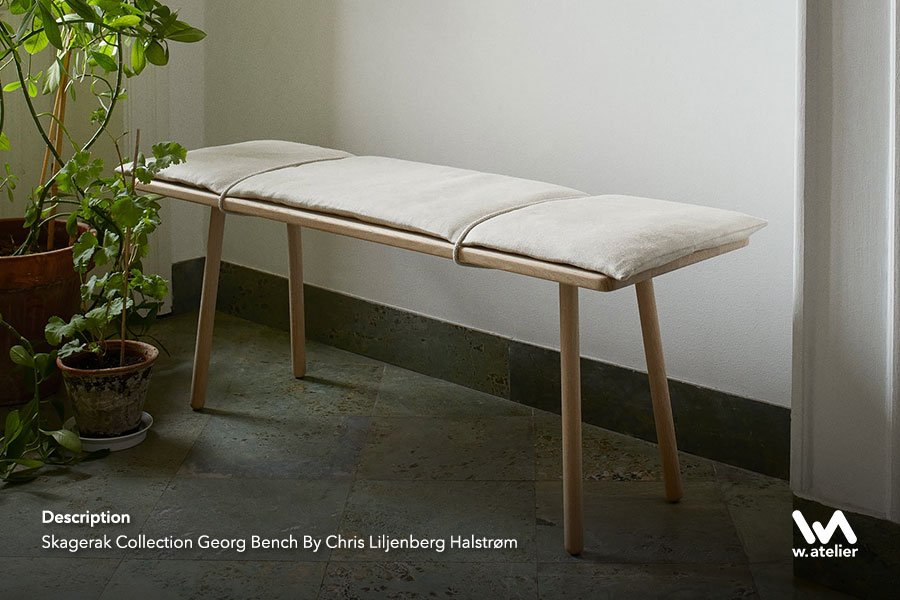
Pieces like the Georg Bench reflect this versatility—designed to move effortlessly between spaces, from dining areas to entryways, without losing relevance.
Questions We Hear Often
-
What is sustainable furniture?
Sustainable furniture refers to pieces made with responsibly sourced materials and designed for long-term use. It focuses on durability, craftsmanship, and reducing the need for frequent replacement, making it both practical and environmentally considered.
-
What is the difference between sustainable and eco-friendly furniture?
Sustainable furniture emphasises longevity and responsible sourcing, while eco-friendly furniture focuses more on reducing environmental impact during production—such as using low-VOC finishes or non-toxic materials. Many well-made pieces naturally combine both.
-
Why is sustainable furniture important in Singapore homes?
In Singapore’s enclosed, air-conditioned homes, furniture plays a bigger role in both durability and indoor air quality. Choosing long-lasting pieces with low-VOC finishes helps create a more comfortable, healthier living environment over time.
-
How can I tell if furniture is built to last?
Look for solid materials like hardwood, stable construction, and finishes that age well. If possible, test the piece in person—well-made furniture usually feels sturdy, balanced, and comfortable during everyday use.
-
Is sustainable furniture more expensive?
Sustainable furniture often has a higher upfront cost, but it tends to last much longer. Over time, buying fewer, better-quality pieces can be more cost-effective than frequently replacing lower-quality furniture.
A Home That Feels Intentional with W. Atelier

There’s something different about a home that’s been furnished with intention. Not because there’s less in it, but because everything in it has a reason for being there. You can feel that each piece was chosen carefully.
When you select pieces that last, your home evolves more naturally. You’re not constantly replacing, adjusting, or rethinking. This is where sustainable furniture becomes less about making a statement, and more about creating a home that feels right.
For those exploring eco-friendly furniture in Singapore, the goal isn’t to follow a trend, but to create a space that works. At W. Atelier, the focus on craftsmanship, heritage, and enduring design offers a thoughtful starting point. Its carefully curated collection of furniture pieces offers choices that support both lifestyle and sustainability.
Because in the end, a well-designed home isn’t just about how it looks. It’s about how it supports your life—comfortably, consistently, and over time.
You can shop W.Atelier’s pieces here or visit our showroom.