
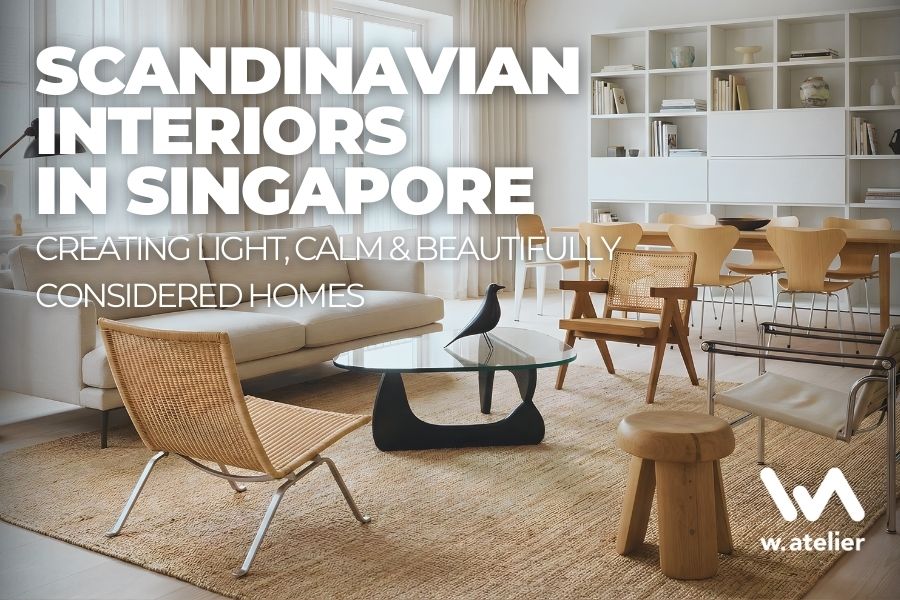
Scandinavian design works beautifully in Singapore homes, where space is precious and clarity matters. Born from long, dim Nordic winters, the Scandinavian approach embraces natural light, soft palettes, and a sense of emotional ease — qualities that translate effortlessly into modern urban living.
This guide explores the core principles of Scandinavian interiors — neutral tones, honest natural materials, and functional simplicity. Here we explore how they help compact Singapore spaces feel brighter, calmer, and more considered. It also spotlights original Scandinavian furniture from Fritz Hansen, Artek, and Skagerak, available at W. Atelier, celebrating craftsmanship that elevates everyday life.
Key Takeaways
- Scandinavian interiors create calm, light-filled homes that work especially well for Singapore’s compact spaces.
- The philosophy is rooted in light, nature, and emotional well-being, shaped by long winters and limited daylight.
- Core principles include:
- Maximising natural light through open layouts and reflective surfaces
- Neutral palettes that quiet the mind and reduce visual clutter
- Natural materials like light wood, linen, and ceramics for grounding warmth
- Functional, clutter-free living that prioritises intention over excess
- Warm textiles to add softness and tactile comfort
- Hygge reinforces the emotional essence of Scandinavian living — comfort, ease, and quiet joy.
- Scandinavian design endures because it honours craftsmanship, clarity, and the human experience at home.
Why Scandinavian Design Works Especially Well in Singapore
There is a particular quietness to a beautifully designed Scandinavian home. It’s not merely about pale woods or soft colours, nor is it defined by minimalism alone. It is the feeling of stepping into a space that understands you — a home that slows your breathing, softens your edges, and allows your mind to unclutter itself.
In a city like Singapore, where days move quickly, and spaces work overtime, this feeling is more than aesthetic pleasure. It becomes a form of everyday luxury.
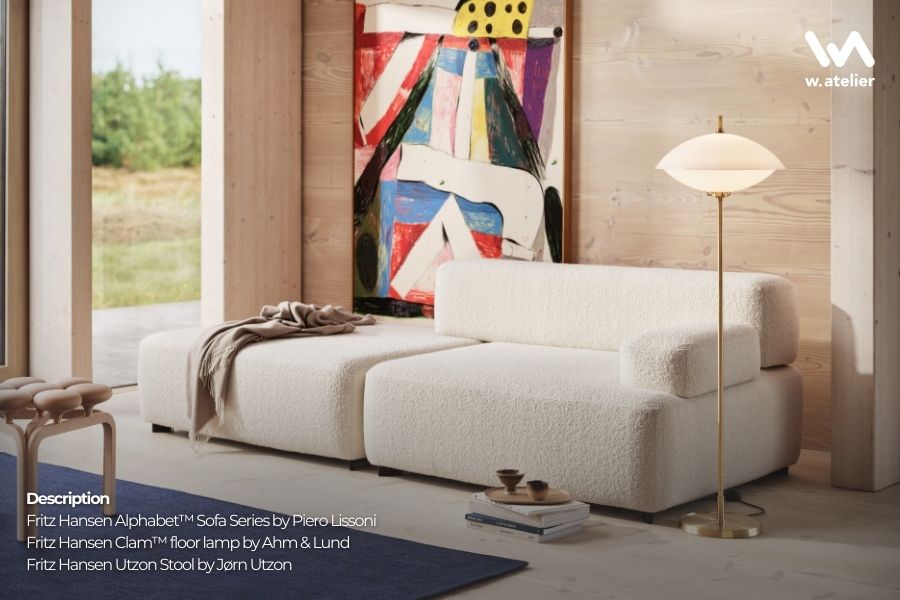
Scandinavian interiors resonate deeply here because they champion something we instinctively crave: clarity, warmth, and calm. And when paired with original designer furniture from brands such as Fritz Hansen, Artek, and Skagerak, this design language becomes not just beautiful to look at, but meaningful to live with.
Let’s discover why Scandinavian design endures — and how you can bring that same sense of ease and lightness into your own home.
A Design Philosophy Shaped by Light and Long Winters
Scandinavian design began in the early 20th century as a response to the region’s long, dim winters and the desire for homes that felt uplifting, warm, and deeply human. Designers leaned toward simplicity, honesty in materials, and forms that brought comfort during months spent indoors. What emerged was a design philosophy rooted in light, well-being, and the belief that everyday objects should enhance the quality of life.
To understand the soul of Scandinavian design, it helps to travel — even just in imagination — to the Nordic winter.
 - W. Atelier.jpg)
Days are short, daylight is scarce, and the home becomes the emotional centre of life. Designers responded not with ornamentation, but with restraint, warmth, and a quiet optimism.
- Light became precious, so homes were shaped to honour and maximise it
- Colours softened, helping to brighten the interior world during darker months
- Materials reflected natural landscapes, echoing what people longed for but could not see during winter
And from this, Scandinavian design emerged not as a trend, but as a way of living — one that prioritised well-being long before the term became mainstream.
Singapore may sit on the opposite end of the climate spectrum, yet the principles remain timeless.
Light, calm, warmth… these translate universally.
Key Scandinavian Home Principles And Why They Feel So Calming
1. Maximising Natural Light
Scandinavian homes treat natural light with reverence. Large windows, sheer curtains, open sightlines, and reflective finishes turn even a modest amount of daylight into something expansive.
In Singapore, this creates interiors that feel:
- Brighter without harshness: even during the hottest parts of the day
- More open, even in compact spaces: despite compact floor plans
- Emotionally lighter: supporting a calmer state of mind at home
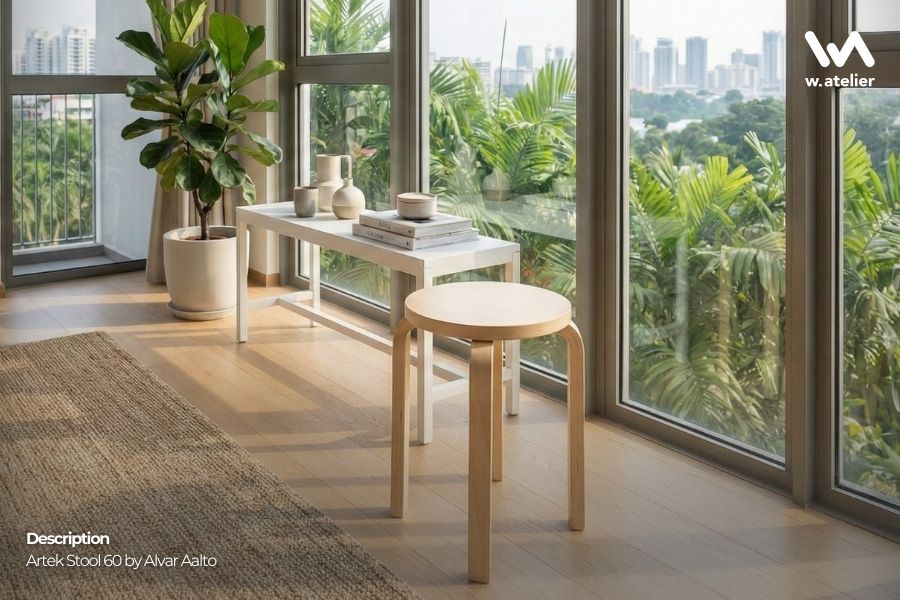
Low-profile furniture, such as iconic pieces from Artek, helps maintain this sense of visual calm.
Light doesn’t just illuminate a room — it lifts the entire mood of the home.
2. Neutral Palettes That Quiet the Mind
White, cream, pale grey, and muted earth tones form the backbone of Scandinavian interiors. These colours are not chosen to appear “minimalist”; they are selected because they allow the mind to settle.
A neutral foundation does three powerful things:
- Reduces visual clutter: helping the eye and mind rest
- Amplifies natural light: making spaces feel brighter and more open
- Creates a quiet canvas for statement furniture: allowing key pieces to stand out
Soft hints of sage, dusty pink, or muted blue add personality without overwhelming the senses.
It is designed as an exhale.
3. Natural Materials for Grounding and Warmth
If light is the soul of Scandinavian design, natural materials are its heartbeat.
Think:
- Light woods: such as birch, pine, and beech, that add warmth without heaviness
- Woven fibres and tactile rugs: that soften spaces and bring a sense of comfort
- Ceramics: that introduce texture and an element of the handmade
- Natural fabrics: including linen and cotton, that keep interiors breathable and relaxed
These elements bring a quiet grounding presence that reconnects you with nature — something especially valuable in Singapore’s urban vertical landscape.
A room instantly feels warmer and more welcoming when materials feel honest and organic.
4. Functional, Clutter-Free Living
Scandinavian minimalism is not about owning less — it’s about owning with intention.
- Every piece has a purpose.
- Every object supports the rhythms of daily life.
- Every line is drawn with clarity.
- This approach creates homes that feel larger and more breathable.
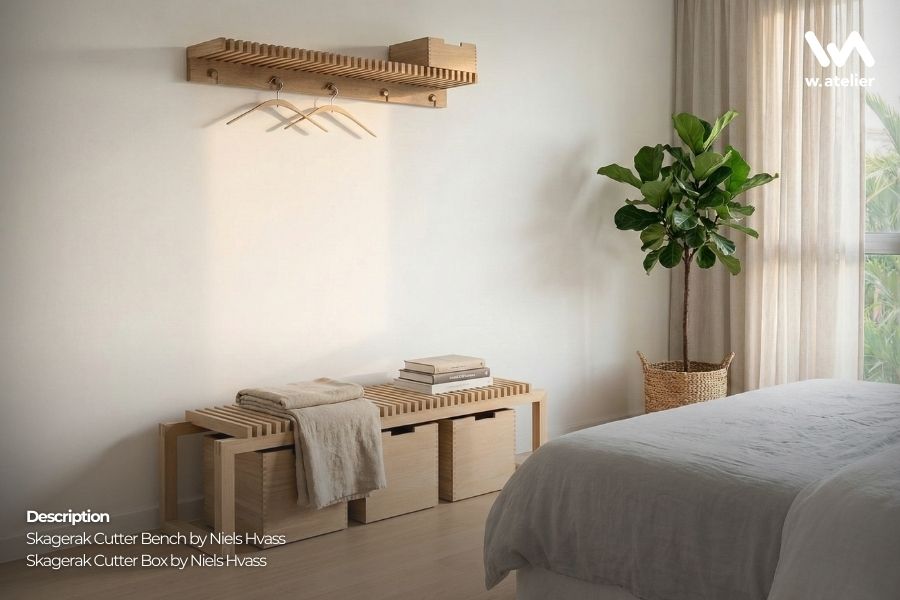
Modular systems from brands like Skagerak or slim storage solutions fit seamlessly into Singapore homes, where space is at a premium. When function becomes beautiful, clutter naturally fades.
5. Warm Textiles and Tactile Comfort
Textiles soften the architectural lines of Scandinavian interiors. They add soul, texture, and a quiet intimacy.
A home begins to feel “lived in” — not staged — when you introduce:
- Wool throws: add warmth and a sense of comfort
- Linen cushions: soften seating and feel relaxed to the touch
- Textured rugs: ground the space and absorb sound
- Soft woven blankets: invite rest and unhurried moments
These elements visually warm up a neutral palette, but more importantly, they invite you to slow down.
They remind you that home is a place of rest.
Hygge: The Emotional Heart of Scandinavian Living
Beyond design rules and furniture choices lies the Danish concept of hygge. Often translated as “cosiness,” hygge is better understood as a feeling — one of contentment, ease, and quiet joy.
It shows up in simple moments:
- The warm glow of a lamp, chosen over harsh ceiling lights
- A chair that supports you just right, encouraging you to slow down
- A reading nook that feels like a gentle pause in your day
- The ritual of coming home, and feeling yourself exhale
Hygge is not décor. It is the emotional tone of your home — a reminder that we design not for perfection, but for well-being.
How to Bring Scandinavian Style Into Singapore Homes
1. Start with Light Wood
Light woods brighten interiors instantly and set a gentle, timeless foundation.
2. Keep a Neutral Base
Walls, curtains, and main upholstery pieces in soft neutral tones create clarity and openness.
3. Choose Multipurpose or Modular Furniture
Ideal for smaller homes, modular sofas, extendable dining tables, and flexible storage offer beauty and utility.
4. Use Breathable Materials Suited to Singapore’s Climate
Linen, cotton, rattan, and open-grain woods keep the home feeling cool and natural.
5. Layer Your Lighting
Instead of one bright overhead source, think in layers: ambient, task, and accent. Warm LEDs and table lamps add intimacy and depth.
6. Embrace Clarity Over Perfection
Scandinavian homes are not showroom-perfect. They are comfortable, approachable, and intentionally lived in.
A soft throw on the sofa, books on a side table, a favourite mug left within reach — these are not mess; they are life.
Why Scandinavian Design Endures
Scandinavian design lasts — not because it follows trends, but because it understands people. It honours:
- Well-being placing comfort and quality of life at the centre of design
- Light treated as an essential element rather than a by-product
- Nature reflected through honest materials and organic textures
- Craftsmanship where pieces are made to last and age gracefully
- Intention ensuring every object serves a clear purpose
- Emotional ease allowing homes to feel calm rather than performative
In a city like Singapore, where clarity and calm feel increasingly precious, these principles become not just desirable but deeply relevant.
This is why Scandinavian interiors rarely go out of style. They don’t try to impress. They simply help you live better.
Experience Scandinavian Craftsmanship at W. Atelier
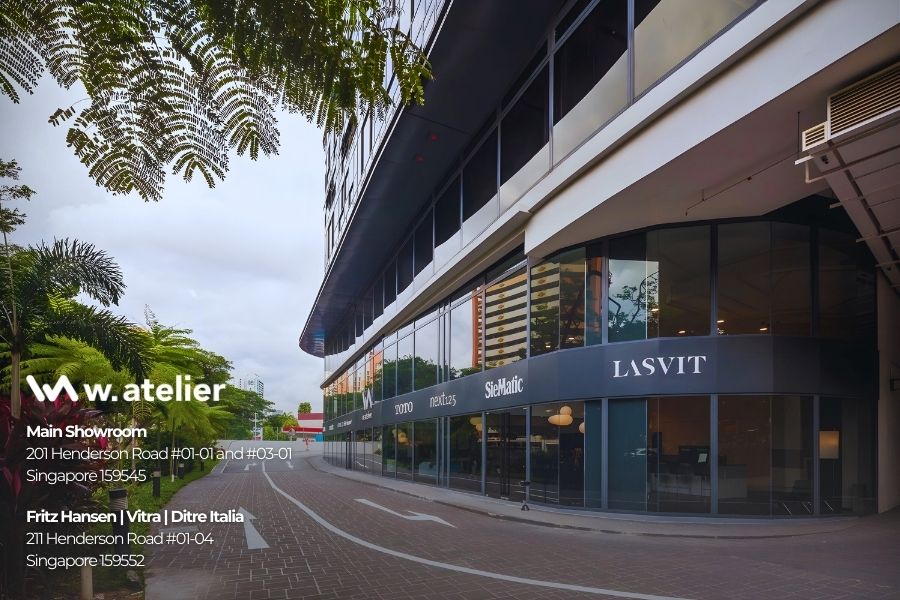
If you’d like to experience the soul of Scandinavian design firsthand, visit the W. Atelier showroom and explore original pieces from Fritz Hansen, Artek, Skagerak, and more.
These are not just furniture brands — they are design legacies. Each piece carries decades of craftsmanship, heritage, and intention. When brought into your home, they become quiet companions in your everyday life.
Discover how thoughtful design can make your home not just more beautiful, but more you.